Wondering whether a resale home or a newer home makes more sense in The Villages? You are not alone. Because The Villages has grown over many decades, buyers often end up comparing homes from very different construction eras, each with its own pros, costs, and lifestyle trade-offs. This guide will help you sort through those differences so you can make a more confident decision. Let’s dive in.
Why home age matters in The Villages
The Villages is not a one-era community. It spans about 57 square miles across Lake, Sumter, and Marion counties, and its residential districts reflect a long build-out timeline. District 1 dates to 1992, while District 16 was established in 2025.
That means you may be choosing between a home in an earlier part of the community and one in a much newer area. Spanish Springs opened in 1994, while newer growth is centered around Eastport, described by the community as its newest town center with shopping, dining, recreation, and entertainment.
For you as a buyer, this matters because home age often affects layout, landscaping, updates, and monthly carrying costs. It can also shape how close you are to the newest amenities or whether you prefer a more established setting.
What resale homes often offer
Resale homes in The Villages often appeal to buyers who want variety. The Villages notes that pre-owned homes provide the greatest variety to fit budget and style, which can be helpful if you want more choices in location, size, or features.
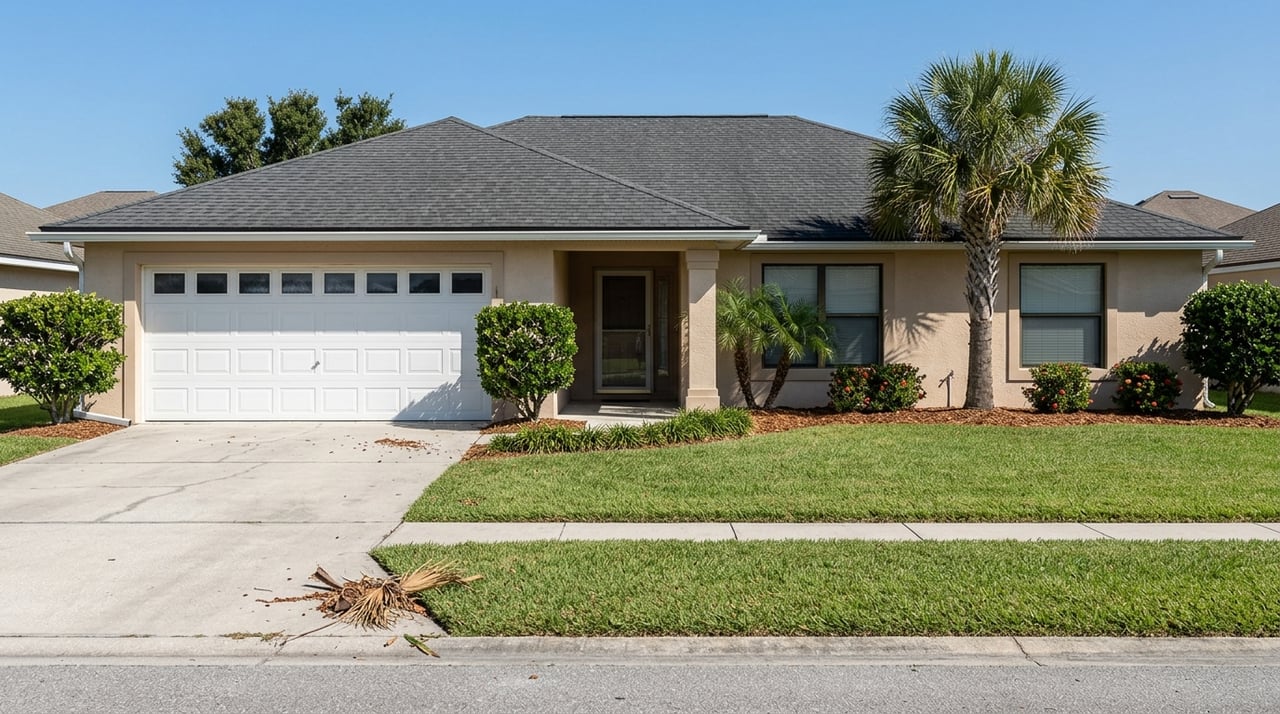
Many resale listings also highlight established curb appeal. Mature landscaping is a common theme, and some homes already have big-ticket improvements like a newer roof or updated HVAC.
Another possible advantage is that some resale homes have a bond that is already paid. That is not true for every home, but it can be an important cost difference when you compare properties side by side.
That said, it is important not to assume every resale home is updated. Condition varies from property to property, so one home may feel move-in ready while another may need work right away.
Common resale advantages
- More variety in neighborhood and home style
- Mature landscaping and established curb appeal
- Possibility of prior updates such as roof or HVAC
- Chance that bond obligations are already paid
Common resale trade-offs
- Condition can vary widely from one home to another
- Layouts may reflect an earlier construction era
- Finishes may not feel as current as newer homes
- Future updates may be needed sooner
What newer homes often offer
Newer homes in The Villages are largely concentrated around Eastport. If you want to be near the newest town center and surrounding neighborhoods, newer construction may line up better with your search.
Current new-home options include Patio Villas, Cottage Homes, Courtyard Villas, Verandas, Designer Homes, and Premier Homes. According to the current pricing sheet, sizes range from about 1,225 to 1,870 square feet for Patio Villas up to about 2,730 to 5,910 square feet for Premier Homes, with pricing running from the low $200s to over $1 million depending on series.
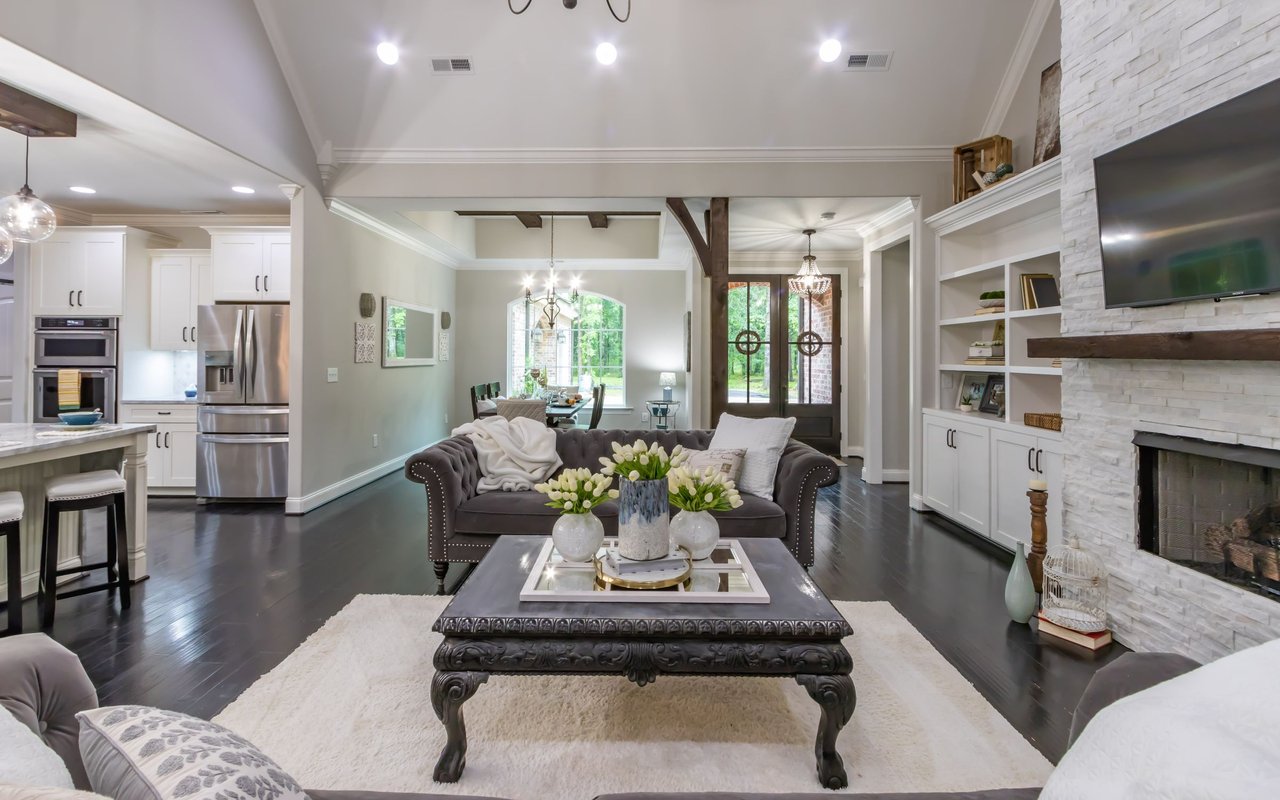
Newer neighborhoods often market features that many buyers want today. These can include open-concept layouts, island kitchens, walk-in showers, volume ceilings, golf car garage options, outdoor living areas, and homesites with views.
Some newer neighborhoods also note room for a small pool or spa, or private enclosed yards. If outdoor space matters to you, that can be worth comparing carefully against older homes with more established landscaping.
Common newer-home advantages
- More modern floorplans and finishes
- Stronger chance of fewer near-term project items
- Proximity to Eastport and newer growth areas
- Features like island kitchens and outdoor living spaces
Common newer-home trade-offs
- Less established landscaping in some areas
- Higher price points depending on series and location
- Less variety if you are focused on a narrow budget or style
- Bond and assessment details still need close review
Construction type is not one-size-fits-all
One important detail buyers sometimes miss is that newer does not mean every home is built the same way. Construction type can vary by home series.
For example, a current Patio Villa listing describes frame construction with vinyl siding, while Premier Homes are described as concrete block with a stucco finish. That distinction can affect maintenance expectations, durability perceptions, and how you think about future improvements.
If you are comparing a resale home to a newer one, it helps to go beyond the word new. You want to know the actual home series, construction type, and what that means for your priorities.
Compare total costs, not just price
In The Villages, purchase price is only part of the picture. The community uses a district-based fee structure rather than a single traditional HOA setup, so buyers should look closely at the full monthly and annual costs tied to a home.
The district system separates monthly amenity fees from annual maintenance assessments and bond assessments. Amenity fees are billed monthly with utilities and help fund services and amenities such as public safety, recreation centers, pools, golf courses, gate maintenance, postal stations, and Community Watch.
Maintenance assessments help cover infrastructure upkeep like roads, landscaping, streetlights, multi-modal paths, and drainage. Bond assessments repay the bonds used to build the original infrastructure, and while bond balances can be prepaid, they do not have to be.
A current Villages cost sheet lists a $195 monthly amenity fee across sample home series and shows estimated total monthly costs ranging from about $950 for Patio Villas to about $1,481 for Designer Homes on that sheet. These are planning estimates, not fixed payments, but they show why a lower purchase price does not always mean a lower total cost.
Key cost questions to ask
- Which district is the home in?
- Is the bond paid off or still outstanding?
- What is the current maintenance assessment?
- What is the monthly amenity fee?
- What are the estimated total monthly carrying costs?
Exterior changes have approval rules
If you are thinking ahead to personalizing a home, this matters. In The Villages, exterior modifications are controlled through the Architectural Review process.
According to the Community Standards guidance, changes such as repainting, landscaping changes, fences, arbors, additions, and similar exterior work require an Architectural Review Application and approval before work begins. In simple terms, future customization may be possible, but it is not unlimited.
This can affect both resale and newer homes. If you are buying with plans to change the yard, alter paint colors, or add exterior features, make sure the home and your plans fit the approval process.
Which option fits your goals?
For many buyers, the best choice comes down to what matters most in daily life. If you care most about established surroundings, mature landscaping, and the possibility of existing upgrades, resale homes may be the better fit.
If you care most about modern layouts, current finishes, Eastport-area proximity, and fewer immediate projects, newer homes may be the stronger match. Neither path is automatically better. The right answer depends on your budget, priorities, and comfort with future maintenance.
A practical way to decide is to compare homes through the same lens every time. Look at location, district, bond status, monthly costs, construction type, and approved updates before focusing only on cosmetics.
A smart comparison checklist
When you tour resale and newer homes in The Villages, keep this checklist with you:
- Compare the district for each property
- Confirm whether the bond is paid or unpaid
- Review maintenance assessments and amenity fees
- Ask about recent upgrades and whether they were approved
- Check construction type and home series
- Consider whether you prefer established landscaping or newer design
- Think about how important Eastport proximity is to you
- Review any exterior plans against ARC requirements
Bottom line for Villages buyers
The Villages gives you a rare mix of housing from different time periods within one large master-planned community. That creates more options, but it also means you need to compare homes carefully.
Resale homes can offer character, established landscaping, and the possibility of already-completed updates or paid bond obligations. Newer homes can offer current design, newer neighborhood growth, and a layout that may better match what many buyers want today.
If you want help sorting through those trade-offs in The Villages and the surrounding Central Florida market, Anna Beverly offers practical, local guidance to help you compare options and move forward with confidence.
FAQs
What is the main difference between resale and newer homes in The Villages?
- Resale homes often offer established landscaping, neighborhood variety, and possible prior upgrades, while newer homes often offer modern layouts, current finishes, and proximity to Eastport-area growth.
Are newer homes in The Villages mostly near Eastport?
- Yes. Current neighborhood marketing shows that much of the newest residential growth is centered around Eastport, the community’s newest town center.
Can a resale home in The Villages have lower carrying costs?
- Sometimes. A resale home may have a bond that is already paid, but you still need to compare amenity fees, maintenance assessments, and other monthly costs for each specific property.
Do all newer homes in The Villages use the same construction type?
- No. Construction type varies by series. For example, some Patio Villas are described as frame construction with vinyl siding, while Premier Homes are described as concrete block with stucco finish.
Do exterior home changes in The Villages need approval?
- Yes. Exterior work such as repainting, landscaping changes, fences, arbors, and additions requires an Architectural Review Application and approval before work begins.
What should buyers compare first when choosing a home in The Villages?
- Start with district location, bond status, maintenance assessment, amenity fee, construction type, approved updates, and whether the home’s style and setting match your priorities.