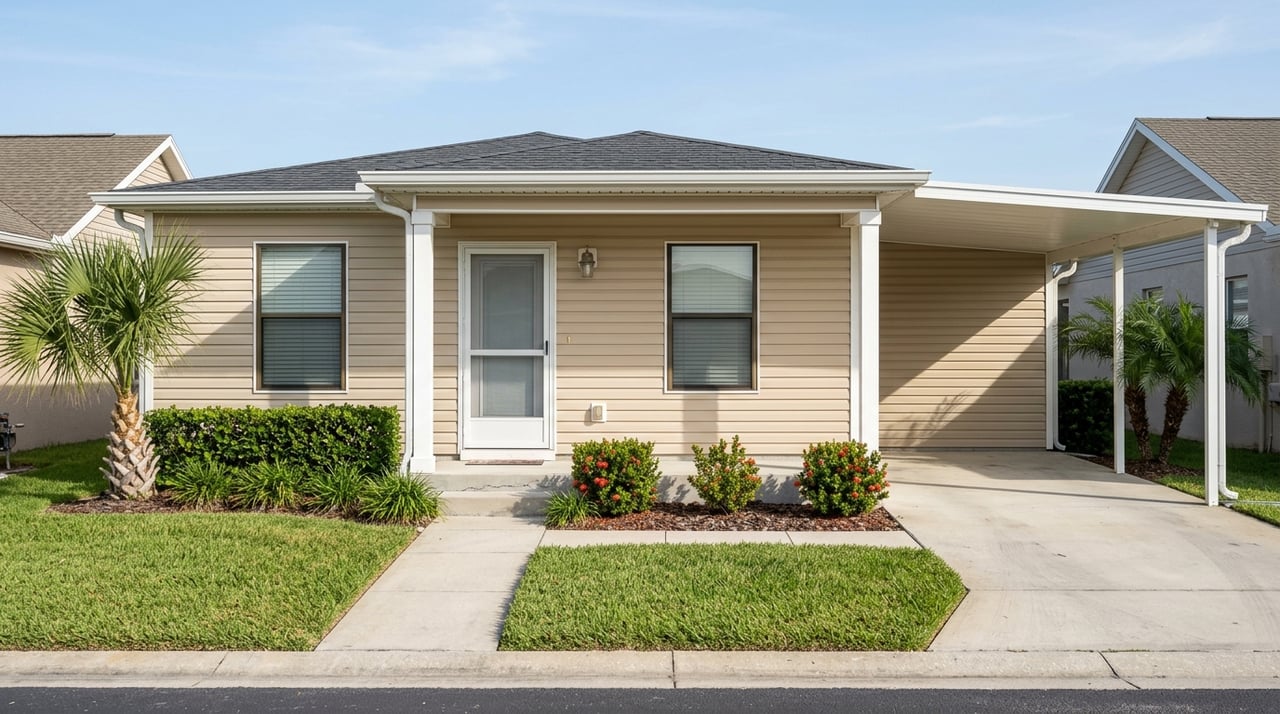
If you are selling a 55+ or manufactured home in Leesburg, the sale can feel more complicated than a typical home listing. You are not just selling a property. You are also dealing with community rules, buyer approval steps, title or land status, and required disclosures that can affect timing and closing. The good news is that when you prepare early, you can make the process much smoother for yourself and for your buyer. Let’s dive in.
Why These Leesburg Sales Work Differently
Selling in a 55+ setting often means the buyer is purchasing both a home and a lifestyle with specific occupancy rules. In a 55+ community, federal housing rules generally require at least 80 percent of occupied units to have at least one resident who is age 55 or older, and the community must publish and follow policies that show that intent.
That matters because age verification is part of the transaction process in many communities. Acceptable proof can include a driver’s license, birth certificate, passport, military ID, or a signed certification. If your buyer is not prepared for that step, it can slow down approval.
Manufactured and mobile home sales can also follow different rules depending on whether the home sits on owned land or on a leased lot. In Florida, a mobile home may be treated as real property when the owner also owns the land and the home is permanently affixed, meaning it is tied down and connected to normal utilities.
Know Whether You Are Selling Land or Lease Rights
One of the first things you should confirm is how the home is legally being transferred. This affects pricing, paperwork, closing, and what buyers need to understand before they make an offer.
If you own both the land and the permanently affixed home, the property may be conveyed by deed or real estate contract. If the home is in a leased-lot park, the transaction may involve title records, lot lease documents, and buyer approval by the park.
Florida also allows title retirement for a permanently affixed mobile home when the legal steps have been completed. Once the title is retired, the home transfers with the property unless a new title is later issued for removal. Checking this early can prevent surprises during contract and closing.
Gather Your Paperwork Before Listing
The fastest way to lose momentum is to wait until you have a buyer before tracking down documents. In Leesburg 55+ and manufactured home sales, buyers usually want answers quickly, especially about costs, rules, and any additions made to the home.
Start by pulling together the documents that explain exactly what the buyer is getting. This helps you market the home clearly and reduces the risk of delays later.
Key Documents to Collect
- Current lot lease, if the home is in a leased-lot park
- Park prospectus
- Current rules and regulations
- Fee schedule, including lot rent and user charges
- Utility and service responsibility details
- Contact information for the community or park office
- Any notice of pending fee, service, utility, or rule changes
- Title records or confirmation that title was retired
- Tax or decal records showing how the home is treated
- Written approvals and permits for carports, porches, sheds, utility work, room additions, or other exterior changes
- Required flood disclosure for park-lot transactions, when applicable
- Lead-based paint disclosure for homes built before 1978
If you made exterior changes over the years, written approvals matter. Florida law requires written approval before exterior modifications or additions, and homeowners must also comply with permits and local code requirements.
Understand Park Rules and Buyer Approval
If your home is in a mobile home park, buyer approval is often one of the biggest moving parts in the sale. Florida law allows parks to screen prospective purchasers under properly adopted rules, and a buyer may become a tenant if they qualify.
At the same time, approval cannot be unreasonably withheld. That gives sellers and buyers some protection, but it does not remove the need to plan ahead.
A smart listing strategy includes talking about the approval process early. Buyers should know what documents they will need, what the timeline may look like, and whether age or occupancy verification will be part of the file.
What Sellers Should Confirm With the Park
- Application steps for a buyer
- Current screening standards under park rules
- Estimated approval timeline
- Office contact person for questions
- Whether any forms or fees are due before closing
- Whether any rules or fee changes are already scheduled
Florida law also gives buyers an important protection here. If park approval has not been granted five days before closing, the purchaser may be able to cancel or rescind the contract. That is one more reason to start community communication early.
Can the Home Stay in the Park After the Sale?
This is one of the most common questions sellers hear, and it is a fair one. In Florida, park owners cannot require removal of the home solely because it is sold.
They also cannot block a resident from selling the home. They cannot forbid a for-sale sign except through reasonable sign rules, and they cannot charge a commission on the sale unless they are acting as the seller’s agent under a written contract.
For you as a seller, that means the key issue is usually not whether the home can stay. The bigger issue is whether the buyer meets the park’s rules and completes the approval process on time.
Be Clear About Monthly Costs
Buyers looking at manufactured or 55+ homes in Leesburg often focus closely on monthly affordability. That is especially true in leased-lot communities, where lot rent, user charges, utilities, and service responsibilities all affect the real cost of ownership.
Because Florida requires prospectus and disclosure materials to address these items, buyers usually expect a clear monthly cost picture before they move forward. If you can explain those numbers simply and accurately, you build trust and reduce back-and-forth later.
Monthly Costs Buyers May Ask About
- Current lot rent
- Pass-through or user charges
- Utility billing responsibilities
- Included services or amenities
- Recent or pending fee changes
- Any separate community-related charges
Park owners in Florida must give 90 days’ written notice before increasing lot rent, reducing services or utilities, or changing rules and regulations. Before you list, it is worth checking whether any notice has already gone out so you can share accurate information upfront.
Disclosures That Matter in Florida
Florida sellers should take disclosures seriously, especially when the property type already has extra paperwork. A cleaner disclosure process can help protect your transaction and reduce problems after contract.
For park-lot transactions, the park owner must provide a separate flood disclosure before the lot rental agreement is signed or at occupancy. If the home was built before 1978, federal law requires a lead-based paint disclosure and the EPA pamphlet.
Florida residential sellers also have a duty to disclose known material latent defects that are not readily observable. In simple terms, if you know about a hidden issue that could affect the property’s value or desirability, it should be disclosed.
Price and Market the Home With Fewer Surprises
A strong listing does more than show photos and square footage. It answers the practical questions that matter most to likely buyers in Leesburg, especially retirees, downsizers, and value-focused shoppers.
That means your marketing should explain whether the home is on owned land or a leased lot, what the current monthly costs look like, and whether major additions were properly approved. Clear information helps attract serious buyers and filters out those who are not a fit for the community or process.
It also helps to set realistic expectations about timelines. A buyer may need time for park review, age verification, document review, financing, or title work. When those steps are built into the plan from day one, the sale tends to move with less stress.
How to Prepare for a Smoother Closing
The best closings usually start with organized sellers. If you can answer the common questions before they are asked, you make it easier for buyers to feel confident.
Use this simple pre-listing checklist as a starting point.
Seller Checklist Before You List
- Confirm whether the home is real property or personal property
- Verify whether the mobile home title is active or retired
- Gather the prospectus, lease, rules, and fee schedule
- Check for any pending rule or rent changes
- Collect permit records and written approvals for additions
- Prepare required disclosures
- Clarify utility and service responsibilities
- Ask the park about current buyer approval procedures
In a market like Leesburg, where 55+ and manufactured home options remain important for many buyers, details matter. The more complete your file is before your home goes live, the easier it is to market with confidence and move toward closing.
If you are thinking about selling a 55+ or manufactured home in Leesburg, having local guidance can make the process much easier. For practical help with pricing, paperwork, marketing, and the steps that matter most in your community, reach out to Anna Beverly.
FAQs
What makes selling a 55+ home in Leesburg different from a standard sale?
- A 55+ home sale may involve age-restricted occupancy rules, community documents, buyer screening, and extra approval steps in addition to the home sale itself.
What paperwork matters most when selling a manufactured home in Leesburg?
- The most important documents usually include the prospectus, lot lease, community rules, fee schedule, title or title retirement records, decal or tax records, permits, written approvals for additions, and required disclosures.
Can a buyer be denied by a mobile home park in Leesburg?
- Yes, a buyer can be denied if they do not meet properly adopted park rules, but approval may not be unreasonably withheld.
Can a manufactured home stay in the park after it is sold in Leesburg?
- Usually yes. Florida law says a park owner cannot require removal of the home solely because it was sold.
How do I know if my Leesburg manufactured home is real property?
- In Florida, a mobile home may be treated as real property when you own the land and the home is permanently affixed, meaning it is tied down and connected to normal utilities.
What monthly costs should I explain to buyers of a Leesburg park home?
- Be ready to explain lot rent, user charges, utilities, included services, and any known pending changes to fees or community rules.