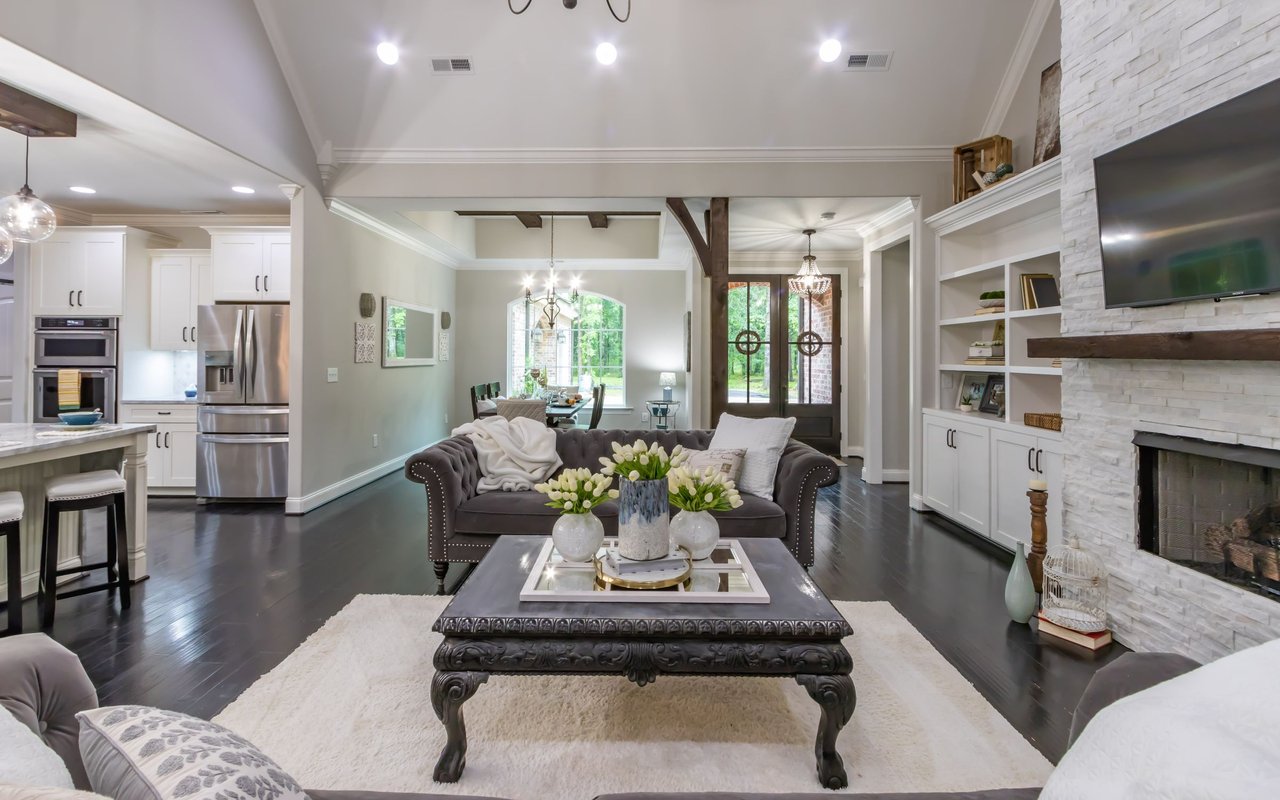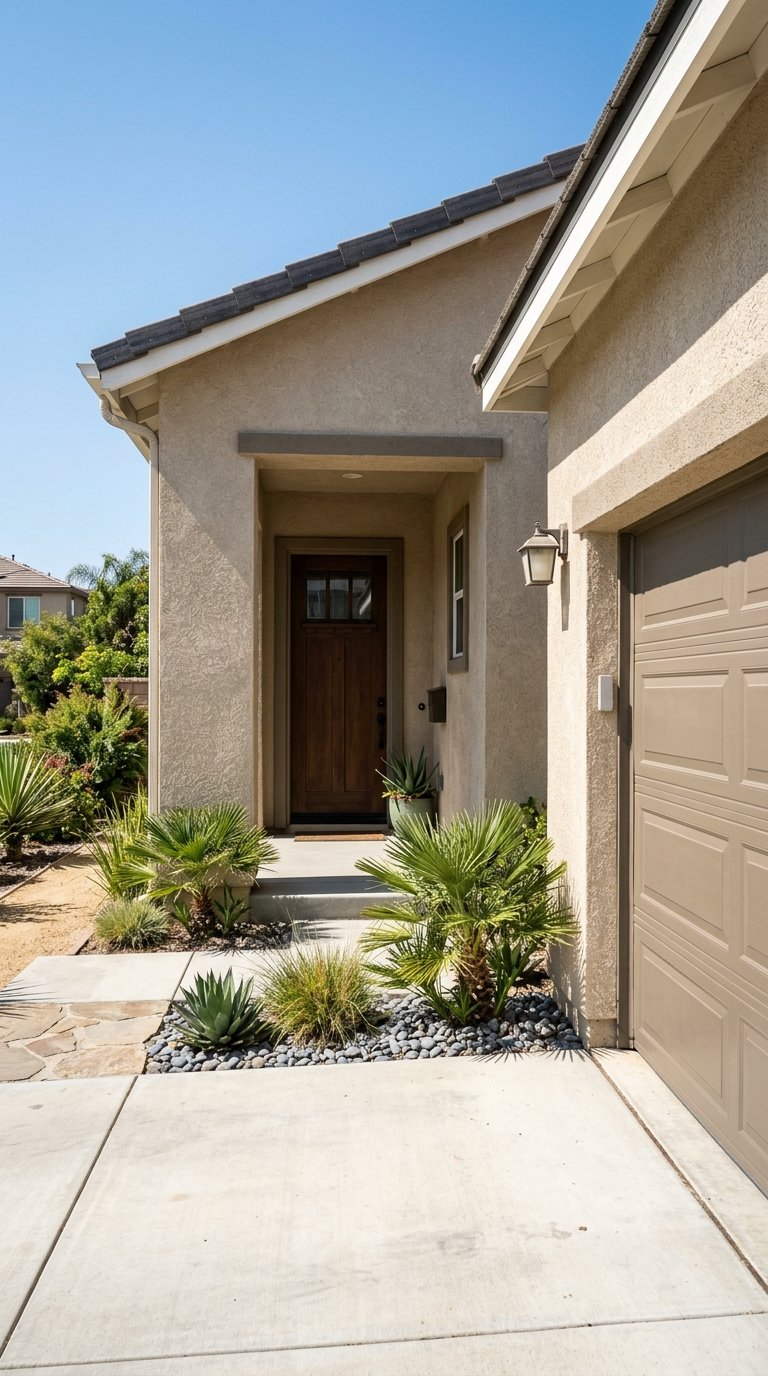
Thinking about buying in The Villages? You are not alone, and you are also right to slow down before jumping in. This is a unique market with different home types, district rules, monthly costs, and closing steps that can feel confusing at first. In this guide, you will get a practical, step-by-step path to help you plan, shop, verify details, and move forward with more confidence. Let’s dive in.
Start With Your Budget
Before you tour homes, get clear on what you can comfortably afford each month. That means looking at your income, savings, assets, debts, employment, credit reports, and credit scores so you understand your full financial picture.
If you plan to finance, compare loan options early. A smart first move is to ask at least three lenders for Loan Estimates on the same loan type so you can compare rates, fees, and terms more clearly.
The Villages also notes that hometown lenders are available to help buyers choose a loan product. Whether you use one of those lenders or another option, the key is to compare offers side by side before you decide.
Understand Ongoing Costs
Your monthly payment is only part of the picture in The Villages. You should also budget for community and property-related costs that will affect your total monthly housing expense.
According to The Villages, there is currently a $189 monthly amenity fee, and an estimated $383 monthly total that includes electric, water and sewer, trash collection, and Spectrum TV and internet. The same source notes that prices are subject to change.
The amenity fee includes access to features such as executive golf, recreation facilities, organized activities, fishing lakes, parks, trails, and 24-hour community watch service. As you compare homes, it helps to ask how these recurring costs fit into your long-term plan.
Learn The Villages Home Types
One reason buying in The Villages can feel overwhelming is the range of housing choices. The official home pages divide inventory into new homes ready to enjoy, build your dream home, pre-owned homes, and apartment-style living.
You will also see product families such as patio villas, cottage homes, courtyard villas, garden villas, verandas, designer homes, and premier homes. Instead of starting with a street name, it often makes more sense to start with your preferred maintenance level, space needs, and budget.
That approach can save time and help you avoid touring homes that do not fit your lifestyle. It also gives you a better framework for comparing resale options with new construction.
Narrow Down New Vs. Pre-Owned
Both new and pre-owned homes can make sense, but they serve different buyer priorities. If you want variety in style and price, The Villages says pre-owned homes offer the greatest variety to fit budget and style.
If you are still deciding whether the community feels right for your day-to-day life, The Villages also offers a preview option where prospective buyers can stay four to seven nights in a private villa with a golf car and bicycles. That can give you useful insight into the pace, layout, and routine before you commit.
For many buyers, that real-world preview is just as valuable as a home tour. It helps you test the setting, not just the floor plan.
Focus On The Right District
This is one of the most important parts of buying in The Villages. The community is not governed as one single uniform system.
Every resident belongs to one of 15 residential Community Development Districts or the Lady Lake/Lake County district. The district page states that bond amortization schedules, utility service providers, and sanitation schedules are determined by where you live.
That means two homes that seem similar on paper may come with different district details. Before you make an offer, confirm the exact district tied to the property and review the related documents carefully.
Review Rules Before You Buy
In The Villages, due diligence goes beyond a standard home inspection. You also need to understand the rules that apply to the exact property you are buying.
Community Standards states that homeowners should familiarize themselves with their restrictive covenants. It also states that exterior modifications require an Architectural Review Application, including projects such as landscaping, fencing, arbors, repainting, additions, repairs, or similar improvements.
If you expect to make changes after closing, verify what is allowed before you buy. A home may look perfect today, but your plans for the property should still fit the applicable rules.
Build A Smart Touring Checklist
When you tour homes in The Villages, keep your checklist practical and location-specific. It should include more than layout and finishes.
Consider checking these items as you tour:
- Home type and maintenance level
- New construction versus pre-owned status
- Monthly costs tied to the property
- Correct district assignment
- Bond details if applicable
- Utility and sanitation service details
- Restrictive covenants for the parcel
- Whether future exterior changes may require Architectural Review approval
A focused checklist helps you compare homes more accurately. It also makes it easier to spot questions that need answers before you move into the offer stage.
Make Your Offer With A Real Timeline
Once you find the right home, it helps to understand a realistic purchase timeline. While every deal is different, one current mortgage timeline notes that the average contract-to-keys timeline is about 43 days.
That same timeline says purchase agreements are often finalized within two weeks, inspections can take a few weeks, appraisals generally take one to two weeks to schedule, and underwriting and title review can take a few weeks. Cash purchases may close faster because there is no lender underwriting.
The main takeaway is simple: do not assume everything happens in a week or two. Build your moving plans around a timeline that leaves room for inspections, lender review, title work, and final signing.
Watch The Loan Disclosure Deadlines
If you are financing your purchase, there are a few timing rules that matter. A lender must send a Loan Estimate within three business days after receiving six key pieces of information from you.
Later in the process, the final Closing Disclosure must arrive at least three business days before closing. That review period matters because it gives you time to compare your final numbers with the earlier Loan Estimate.
This is your chance to slow down and make sure the terms, costs, and cash needed to close match your expectations. If something looks off, ask questions before signing day.
Prepare For Closing Day
Closing is the final step, but it still comes with a checklist. Buyers should expect title-company signing, proof of insurance, closing funds, and a final walkthrough before the deed transfers and keys are handed over.
This is also the point where all the earlier details come together. If you have already confirmed the district, home rules, monthly costs, and loan terms, closing day tends to feel much more straightforward.
A simple sequence works well in The Villages: get your finances in order, compare Loan Estimates, tour the right home types and districts, verify covenants and review requirements, submit an offer, and use the three-business-day disclosure window to review final loan terms before closing.
Plan For Property Taxes After Closing
If the home will be your Florida permanent residence, you may want to look into homestead exemption in Sumter County. The county states that the exemption is up to $50,000, with the first $25,000 applying to all property taxes and the second $25,000 applying only to non-school taxes.
The county also says first-time applicants should have evidence of ownership and file by March 1. Tax bills are sent in late October or November and are due the following March 31.
Ownership changes can also trigger reassessment to just value. After the first year, a homesteaded home’s assessed value cannot rise by more than 3 percent, and buyers moving from another Florida homestead may be able to apply for portability using form DR-501T.
Why Local Guidance Helps
Buying in The Villages is not just about finding a home you like. It is also about matching your budget, timeline, district, and property rules to the way you want to live.
That is where practical local guidance can make a real difference. Having someone help you sort through home categories, district details, document review, and closing steps can make the process feel much more manageable from start to finish.
If you want straightforward help buying in The Villages or anywhere in Central Florida, connect with Anna Beverly for practical guidance and responsive support.
FAQs
What should buyers budget for in The Villages?
- Buyers should budget for the mortgage or cash purchase, plus ongoing costs like the amenity fee and other monthly services. The Villages currently lists a $189 monthly amenity fee and an estimated $383 monthly total that includes electric, water and sewer, trash collection, and Spectrum TV and internet, with prices subject to change.
What home types are available in The Villages?
- The Villages shows several options, including new homes ready to enjoy, build-your-dream-home options, pre-owned homes, and apartment-style living, along with patio villas, cottage homes, courtyard villas, garden villas, verandas, designer homes, and premier homes.
Why do district details matter when buying in The Villages?
- District details matter because bond amortization schedules, utility providers, and sanitation schedules are determined by where you live. Buyers should verify the exact district for a property before finalizing a purchase.
What rules should buyers review before purchasing in The Villages?
- Buyers should review the restrictive covenants for the property and confirm whether planned exterior changes would require an Architectural Review Application. Community Standards says exterior modifications such as landscaping, fencing, repainting, additions, and similar improvements require review.
How long does it take to close on a home in The Villages?
- A current mortgage timeline says the average contract-to-keys timeline is about 43 days, although cash deals may close faster. Timing can also vary based on inspections, appraisal scheduling, underwriting, and title review.
What should financed buyers know about closing disclosures in The Villages?
- Financed buyers should know that the lender must provide the final Closing Disclosure at least three business days before closing. That window gives you time to compare the final terms and costs with the earlier Loan Estimate before signing.
Can a buyer in Sumter County apply for homestead exemption after closing?
- Yes, if the home is your Florida permanent residence, Sumter County says you may qualify for a homestead exemption of up to $50,000. First-time applicants should have evidence of ownership and file by March 1.